
Whippet Life Stages: What to Expect From Puppy to Senior
Understanding the life stages of a Whippet is one of the most important parts of raising a well-balanced, confident dog.
If you’re new to the breed, we recommend starting with our About Whippets guide.
While all dogs go through developmental phases, what many people don’t realize is just how much early experiences shape behavior for life. What your puppy learns—or doesn’t learn—during certain stages can have a lasting impact.
For a complete guide to raising a young dog, see our Whippet Care guide.
From our experience raising Whippets, this is one of the areas where owners either set themselves up for success… or struggle later. It’s also important to understand everyday risks—see our guide on foods toxic to Whippets.
🐾 What Are the Life Stages of a Whippet?
Whippets go through several developmental stages, each affecting them physically, mentally, and emotionally.
The main stages include:
- Puppy (0–12 months)
- Adult (1–7 years)
- Senior (7+ years)
Within the puppy stage, there are also critical development periods that influence behavior long-term.
🐶 Whippet Puppy Development Stages
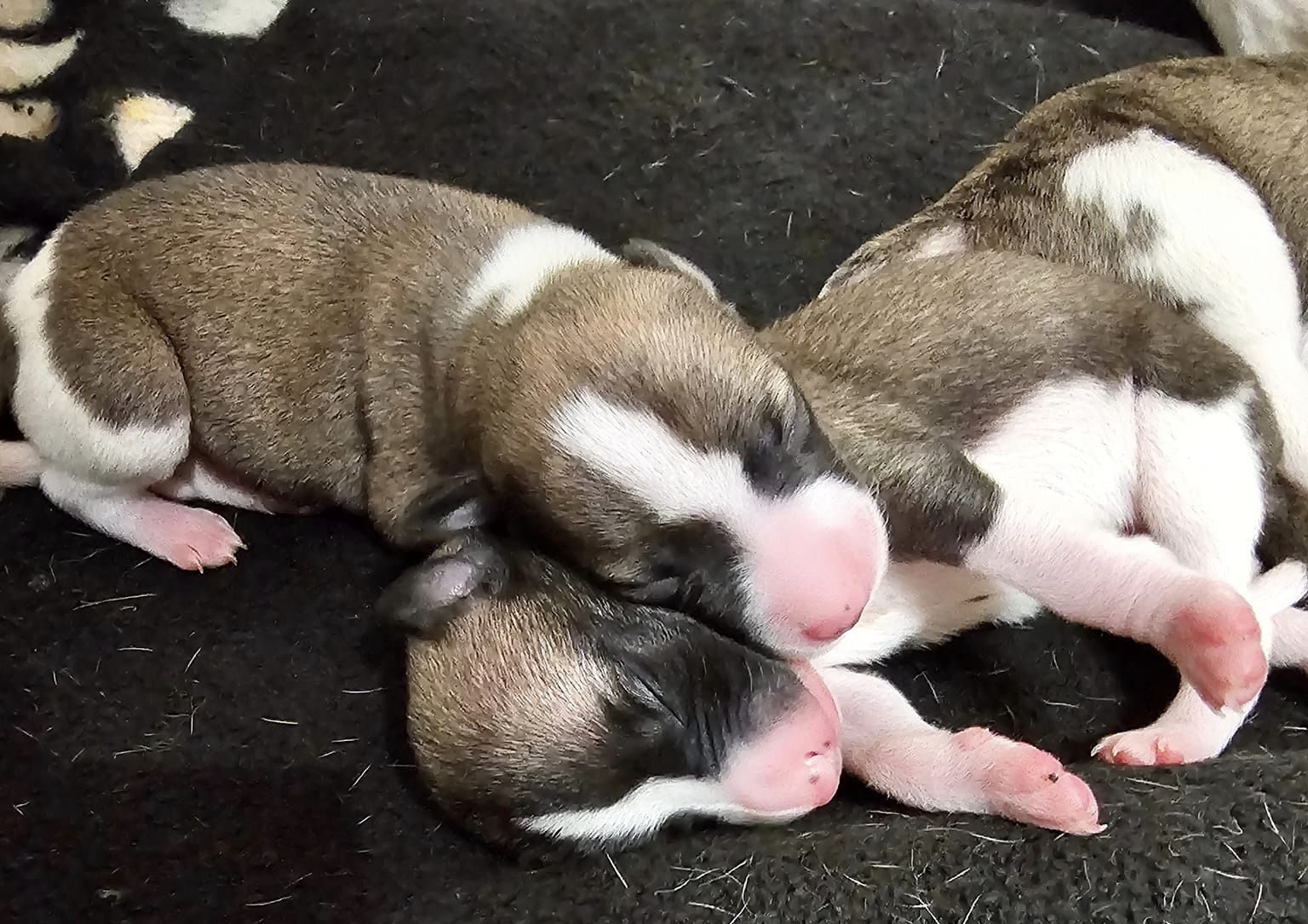

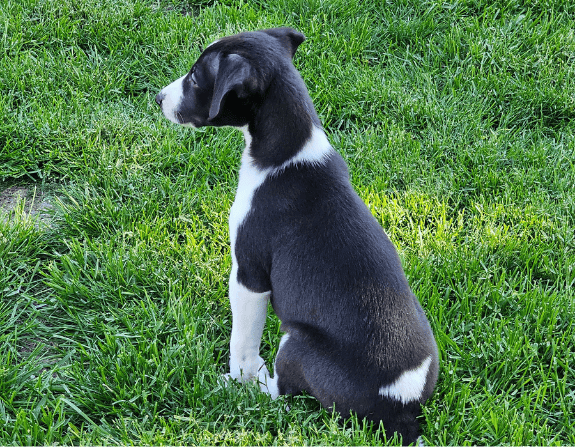

The puppy stage is where everything is formed—behavior, confidence, and social skills.
🐾 Early Puppy Stage (3–7 Weeks)
During this time, puppies are still with their mother and littermates.
This stage is critical for:
- Learning bite control
- Understanding social behavior
- Accepting correction from their mother
👉 In our experience, puppies removed too early often struggle later with:
- Nervousness
- Excessive barking
- Poor social skills
This is why staying with the litter until at least 7–8 weeks is so important.
🐾 Socialization Period (7–12 Weeks)
This is one of the most important stages in a Whippet’s life.
What they learn now:
- Stays with them long-term
- Is much harder to change later
During this stage:
- Puppies are highly impressionable
- Experiences (good or bad) stick
- Confidence is built—or damaged
Important insight (from experience)
This is where many owners unintentionally create fear issues.
Between 8–11 weeks, there is a fear imprint period.
👉 A bad experience during this time can have lasting effects.
What you should do
- Keep experiences positive
- Introduce new environments slowly
- Avoid overwhelming situations
- Focus on trust-building
🐾 Testing Boundaries (12–16 Weeks)
At this stage, puppies begin to test limits.
You may notice:
- Biting (play or challenge)
- Ignoring commands
- Pushy behavior
This is normal—but your response matters.
What works best
- Clear, consistent rules
- No rough play that encourages dominance
- Gentle but firm correction
👉 From our experience, this is where leadership is established—not through force, but through consistency.
🐾 Flight Instinct Stage (4–8 Months)
This stage surprises a lot of owners.
Puppies who once stayed close may suddenly:
- Ignore recall
- Run off
- Act independent
⚠️ This is NOT the time to trust off-leash behavior.
Even well-behaved puppies can become unreliable during this phase.
Our recommendation
- Always use a leash unless in a secure area
- Reinforce recall consistently
- Do not assume previous training is “locked in”
🐾 Adolescence (5–18 Months)
This is often the most challenging stage.
Your sweet puppy may suddenly become:
- Independent
- Stubborn
- Easily distracted
Hormonal changes also play a role.
What we see most often
- Males becoming more dominant
- Females going through heat cycles
- Selective listening
What matters most here
- Consistent training
- Reinforcing boundaries
- Patience
👉 This is not regression—it’s development.
🐾 Second Fear Period (6–14 Months)
Similar to early fear stages, but less predictable.
You may notice:
- Sudden fear of familiar things
- Hesitation in new situations
Best approach
- Stay calm
- Don’t force interactions
- Don’t over-comfort fear
Gradual exposure and confidence-building is key.
🐕 Adult Whippet Stage (1–7 Years)
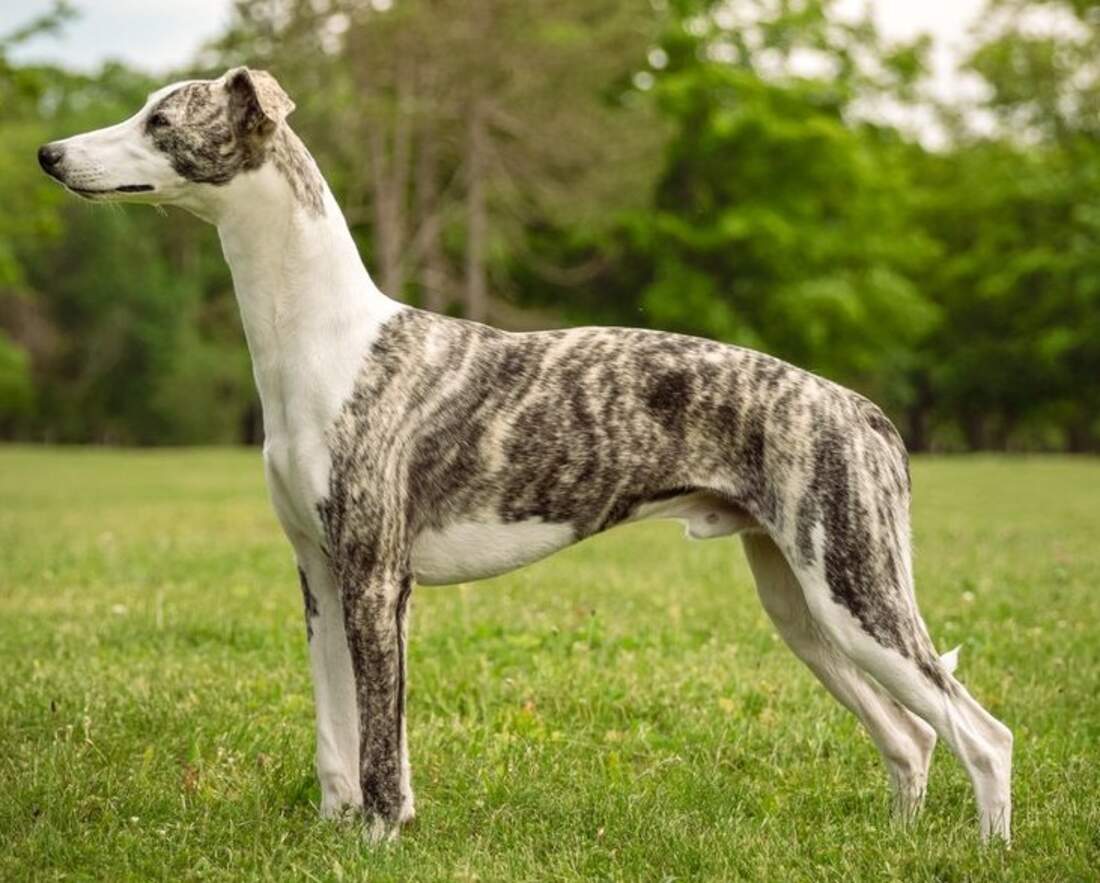
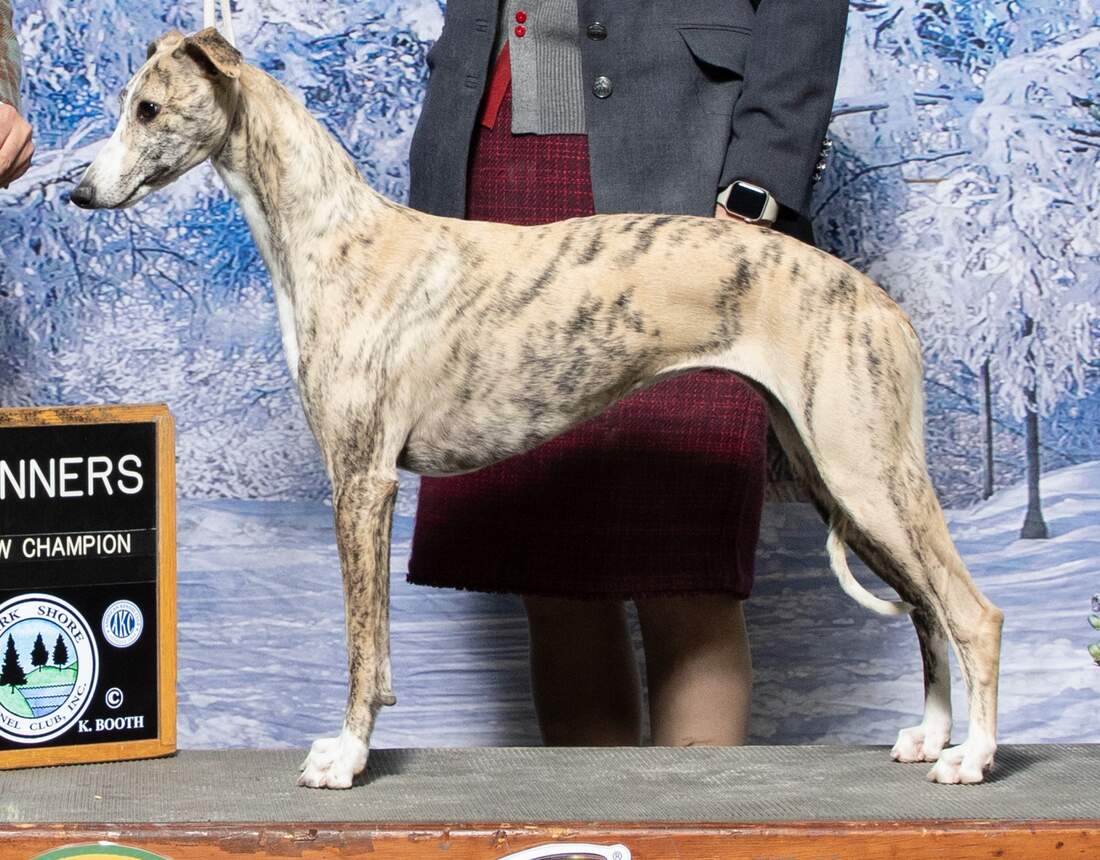
By adulthood, most Whippets settle into a predictable routine.
This is when they become:
- More relaxed
- Emotionally stable
- Deeply bonded to their owners
From our experience, this is when people truly fall in love with the breed.
What to Expect
- Calm indoors
- Athletic outdoors
- Strong attachment to family
Ongoing Needs
- Daily exercise (30–60 minutes)
- Mental stimulation
- Consistent routine
👉 For full care details, see our Whippet Care page.
🐾 Senior Whippet Stage (7+ Years)
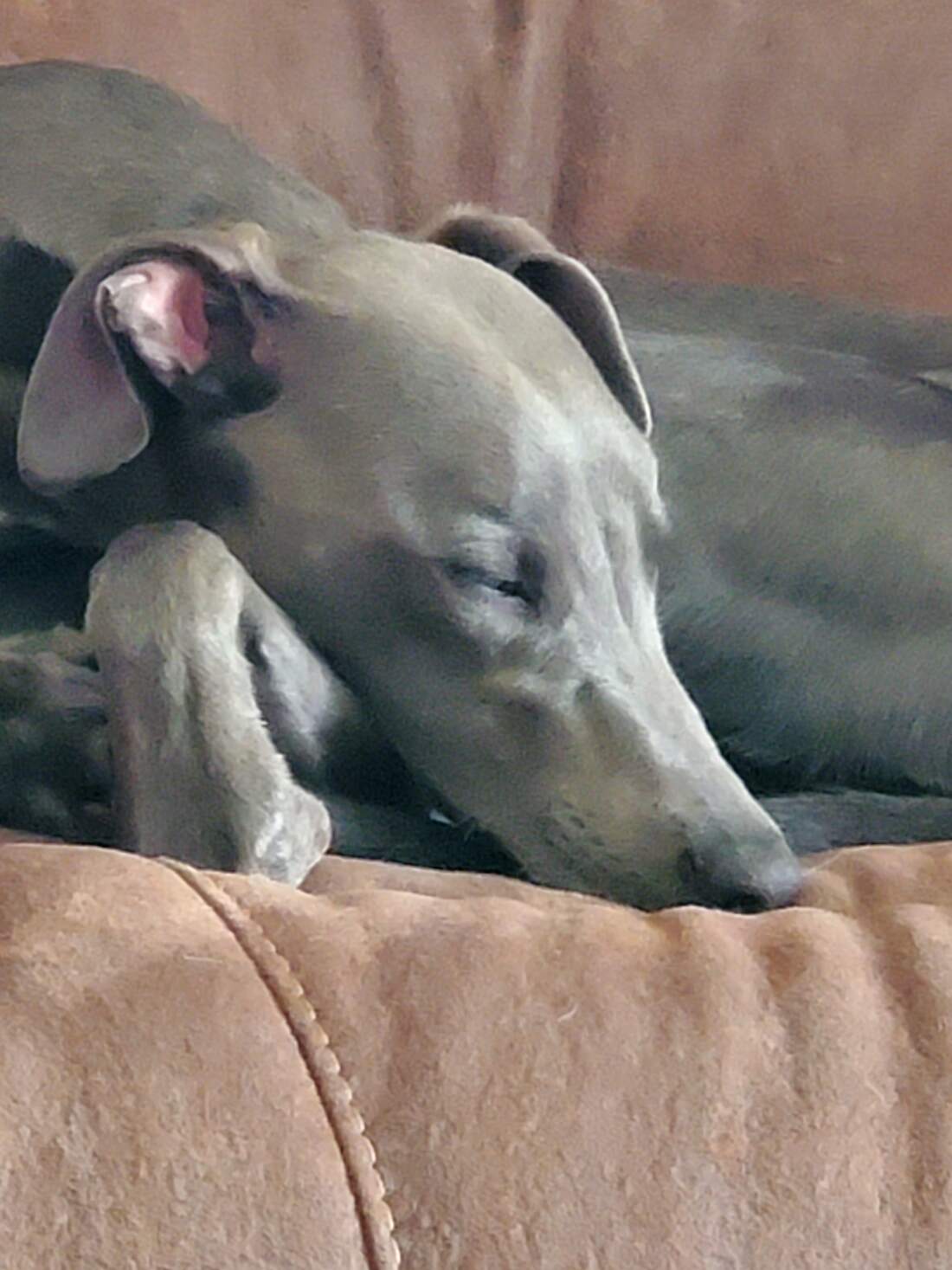
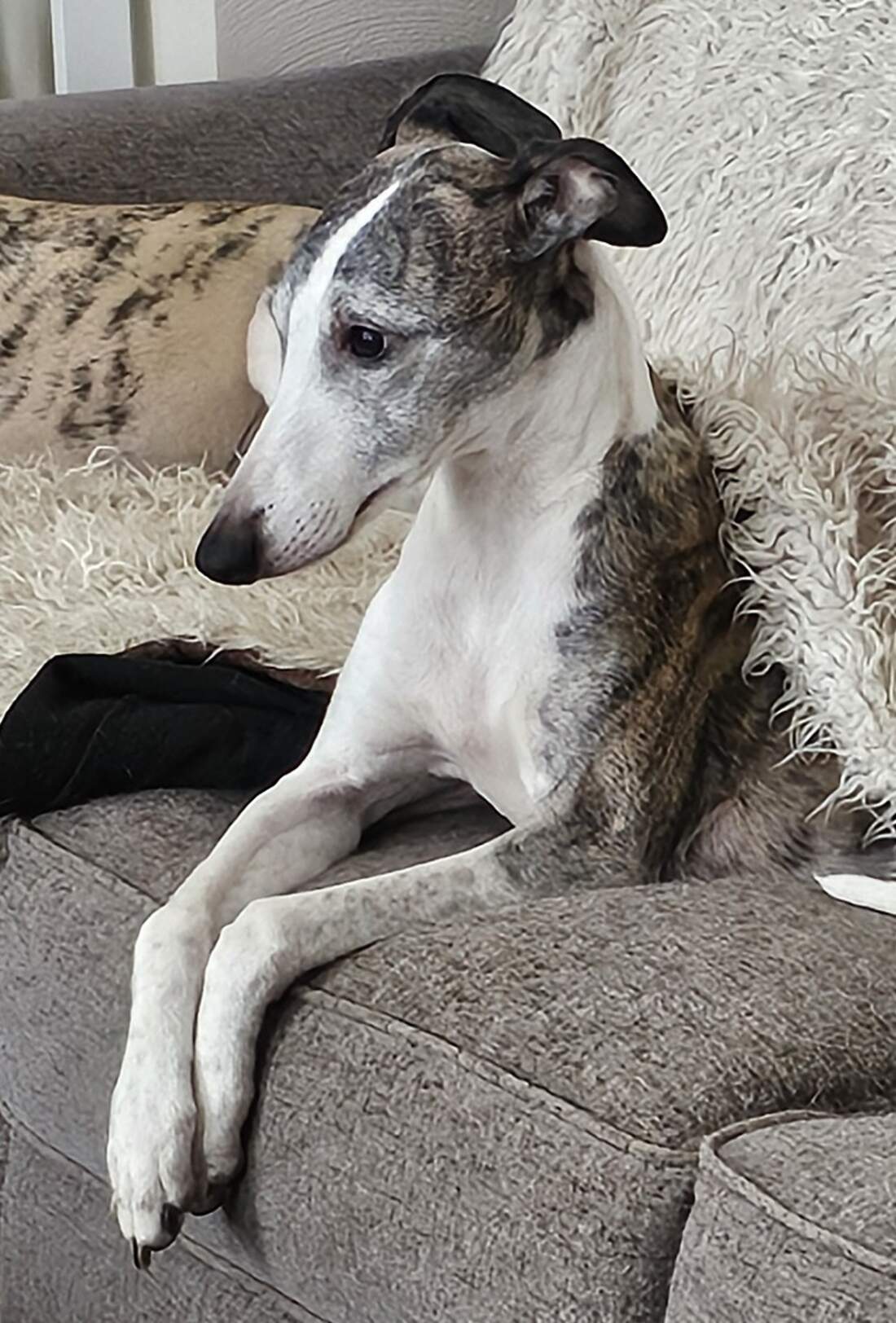
Senior Whippets slow down—but often become even more affectionate.
What Changes
- Lower energy
- More rest
- Increased sensitivity
What They Need Most
- Warmth and comfort
- Gentle exercise
- Regular vet care
👉 In our experience, this stage creates some of the strongest bonds.
🐾 How to Support Your Whippet at Every Stage
No matter the age, Whippets need:
- A safe, indoor environment
- Human companionship
- Consistency and routine
- Gentle, positive training
They are not independent dogs—they thrive on connection.
🐾 Common Questions About Whippet Development
When is a Whippet fully grown?
Usually between 12–18 months.
Do Whippets calm down with age?
Yes. Most settle significantly after the puppy and adolescent stages.
How long do Whippets live?
Typically 12–15 years with proper care.
🐾 Final Thoughts
Understanding your Whippet’s development is one of the most powerful things you can do as an owner.
Each stage brings its own challenges—but also its own rewards.
From our experience, the owners who take the time to understand these stages early on are the ones who end up with the most confident, well-adjusted, and enjoyable companions.
If you’re considering bringing one home, you can view our available Whippet puppies here.
You can also find more answers in our Whippet FAQ.